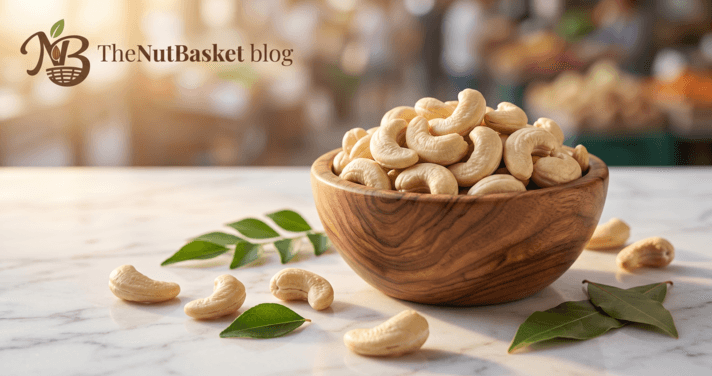
Cashews are the most popular nut in India — creamy, filling and endlessly versatile in both cooking and snacking. But beyond their delicious buttery taste, cashews are a nutritional powerhouse that most people significantly underestimate.
One serving of cashews (28g, about 18 nuts) provides: 5g protein, 9g fat (mostly monounsaturated), 9g carbohydrates, 1g fibre, 11% of daily magnesium, 69% of daily copper, and 12% of daily zinc.
1. Extraordinary Source of Copper
Cashews are one of the richest food sources of copper — providing 69% of your daily requirement in just 28g. Copper is essential for iron metabolism, immune function, collagen production (for skin and joints) and the functioning of your nervous system.
2. Boosts Immune System with Zinc
Zinc is one of the most important minerals for immune function, yet millions of people are deficient in it. Cashews provide 12% of your daily zinc in a single serving. Zinc is also critical for wound healing, taste and smell perception, and DNA synthesis.
3. Heart-Protective Fats
About 84% of cashews' fat content is unsaturated — primarily oleic acid (the same heart-healthy fat found in olive oil). Studies show that people who eat nuts regularly have a 35% lower risk of heart disease compared to those who don't.
4. Rich in Magnesium for Blood Pressure
Magnesium acts as a natural calcium channel blocker, helping blood vessels relax and blood pressure normalise. Research shows that diets rich in magnesium are associated with a significantly lower risk of hypertension.
5. Supports Strong Bones
Cashews contain calcium, magnesium, phosphorus and Vitamin K — all essential for bone mineralisation and strength. They also contain copper, which is required for the synthesis of collagen — the structural protein in bones and cartilage.
6. May Help Manage Weight
Despite being calorie-dense, research shows that regular nut consumption is not associated with weight gain and may actually help with weight management. The combination of protein, fat and fibre creates a satiety effect that reduces overall calorie intake throughout the day.
7. Supports Eye Health
Cashews are rich in lutein and zeaxanthin — carotenoids that accumulate in the retina and protect against age-related macular degeneration (AMD) and cataracts. Regular consumption may help preserve vision as you age.
8. May Reduce Risk of Gallstones
A large study published in the American Journal of Clinical Nutrition found that women who ate nuts at least 5 times per week had a 25% lower risk of developing gallstones compared to those who never ate nuts. Cashews showed a particularly strong protective effect.
Best time to eat cashews: As a mid-morning or afternoon snack. Avoid eating them late at night as their relatively high calorie content can be stored as fat during sedentary sleeping hours.